
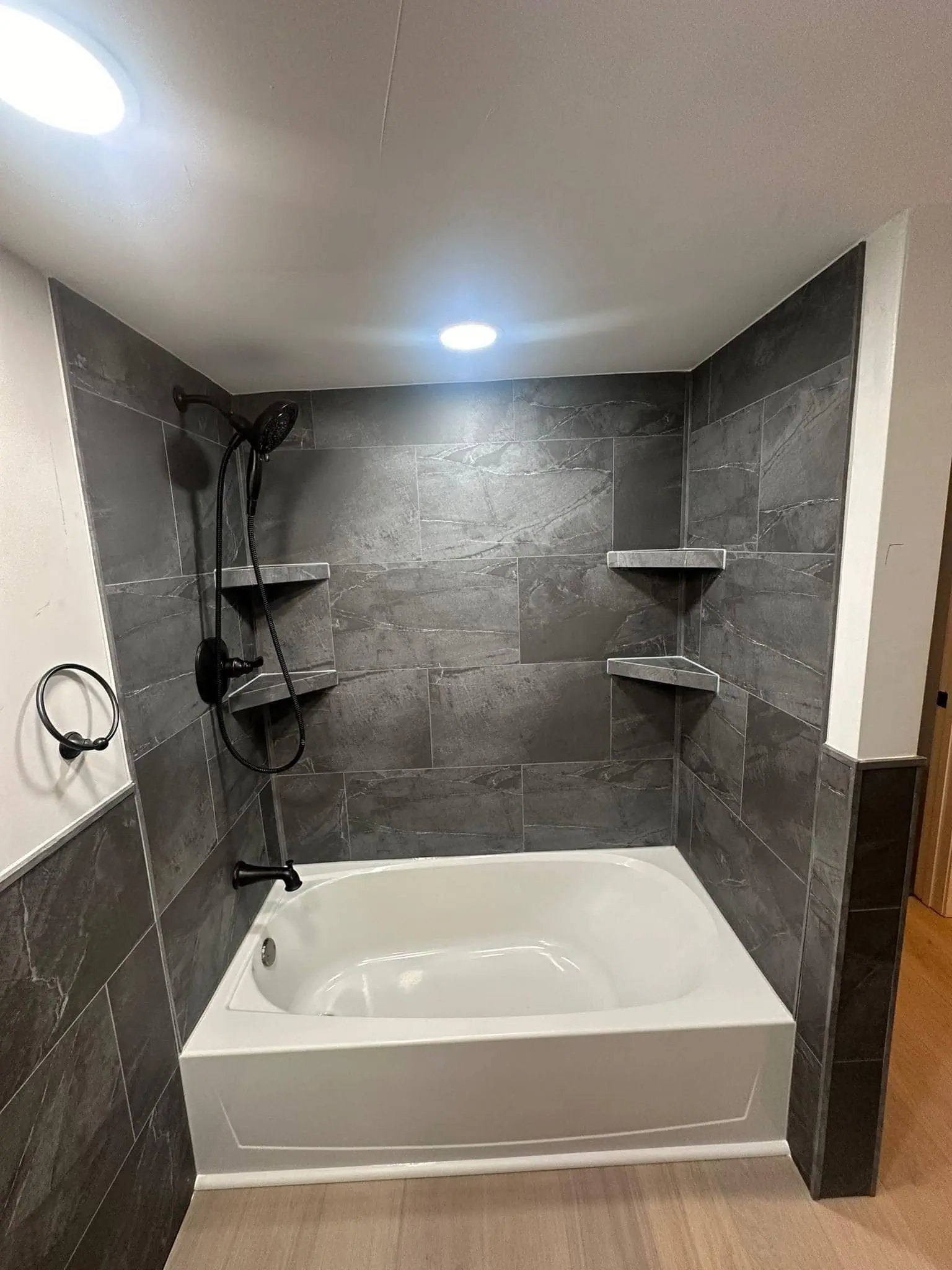
Deciding between acrylic shower walls and tile is a big deal for any bathroom reno. This isn’t just about how your new bathroom will look, but also how long it’ll last, how much work it’ll take to keep clean, and what it’ll cost you. If you’re a homeowner in New England thinking about upgrading your bathroom, you need to understand these differences to pick the right option for your bathroom. Honestly, your shower is your daily escape, and its design should be both good-looking and practical.
When you start a shower remodel, it’s easy to feel swamped by all the choices for shower wall materials. From grout lines to smooth panels, the differences might seem small at first, but they can have a huge impact later on. We’ll explore the features of both acrylic and tile in detail, helping you figure out which one really fits your home and your personal taste better.
Getting to Know Acrylic Shower Walls: The Modern Choice
Acrylic shower walls are a modern, often preferred, option instead of traditional tile for lots of homeowners who want a clean, simple, and low-maintenance bathroom. These wall panels are made from tough acrylic sheets, designed to be strong and look great in many ways. Unlike tile, which uses individual pieces and grout, acrylic gives you a continuous, non-porous surface that can make cleaning and upkeep way easier. Plus, installing acrylic shower walls is usually much faster, which helps Bath Flip offer our famous one-day bathroom remodel services in places like Manchester and Nashua.
One of the best things about acrylic shower walls is how smooth they are. No grout lines mean no common spots for mold and mildew to grow, which is a constant headache for many homeowners. This built-in cleanliness is a huge selling point, cutting down on the time and effort you’d spend cleaning. Also, acrylic panels won’t chip, crack, or fade easily, so your shower will keep looking new for years. This toughness makes them a smart buy if you want a shower that lasts a long time and looks good.
Why Go with Acrylic Shower Walls?
There are plenty of reasons to pick acrylic for your shower remodel. For one, the installation is typically fast and less messy than putting in traditional tile. This means you get a new look quicker, which is perfect if you want a renovation that’s not a huge hassle. Lots of homeowners appreciate getting a new, working shower in as little as a day. And honestly, the sheer variety of designs, colors, and patterns you can get with acrylic is impressive. You can get the look of natural stone, classic tile, or even cool textures without the high cost or constant upkeep of the real stuff.
Another big plus is how incredibly durable they are. Acrylic is a strong material that holds up to daily use without looking old. It feels warm to the touch, which can be a nice surprise compared to how cold tile often feels. Looking long-term, acrylic shower walls offer excellent value because they resist common bathroom problems like water damage, staining, and impacts. This makes them especially appealing for busy families or anyone who wants a low-stress bathroom.
Looking at Tile Shower Walls: A Classic That Sticks Around
Tile shower walls have been a bathroom staple for ages, loved for their lasting beauty and flexibility. From detailed mosaics to big porcelain pieces, tile gives you an unmatched range of textures, colors, and patterns, letting you create highly personalized and artistic shower designs. The classic appeal of tile comes from its ability to make intricate designs and unique focal points, making every shower a distinct piece of art. For many, this traditional way of building a shower has a lot of aesthetic value.
Tile’s main attraction is how much design freedom it offers. Homeowners can choose from ceramic, porcelain, natural stone, glass, and even metal tiles, and each one has its own special feel. This lets you create a truly personalized shower space, whether you’re dreaming of a spa-like escape or a bright, modern look. The ability to mix and match different tiles, sizes, and grout colors opens up endless creative possibilities. Plus, tile, especially porcelain, is a very durable material that, when put in and cared for correctly, can last for decades.
Tile Showers: Artistry and Personal Touch
Putting up tile shower walls is a true craft, demanding real skill and precision. Since every single tile is set individually, you get a custom finish that’s truly unique to your home. You just can’t get this kind of personalization with panels that are made ahead of time. The hands-on work that goes into laying tile guarantees a one-of-a-kind pattern and feel, really adding to the bathroom’s overall vibe. Honestly, if you’re someone who loves custom designs and those intricate little details, tile is still, in my opinion, the best choice out there.
Plus, tile really gives you a unique feel. The cool, hard surface of natural stone or the smooth finish of glazed ceramic can genuinely make your shower experience more enjoyable. Sure, grout lines can be a pain, but they also act as a design element, making the tiles pop and highlighting their patterns and shapes. Even with all the new options available, tile’s ongoing popularity in bathroom remodels really shows how classic it is and the visual value it brings to a house.
Acrylic Shower Walls vs. Tile: The Big Differences
When you put acrylic shower walls and tile side-by-side, you’ll see some pretty big differences. These impact everything from how they’re installed to how much upkeep they need and what they cost in the long run. You need to understand these differences to pick the right option for your bathroom. One of the most obvious differences is how they’re made: acrylic gives you one solid, smooth surface, while tile is made up of lots of individual pieces held together with grout. This basic structural difference is what drives most of their pros and cons.
Another major difference is how long installation takes. Acrylic systems, like the ones Bath Flip offers, are often made to go in fast, with many jobs done in just one day. Tile installation, on the other hand, is a much more intensive process that takes longer. You’ve got to set each tile, let things dry, then grout and seal. This longer timeline means your bathroom might be out of commission for a while, which is a big deal if it’s your only one. Also, the long-term upkeep is pretty different, with acrylic generally needing less work.
How Fast and Tricky is Installation?
The speed and complexity of installation are often key factors when you’re trying to decide between acrylic shower walls and tile. Acrylic panels are usually custom-made to fit your existing shower perfectly, meaning fewer adjustments on-site. This precise manufacturing, along with their large size, makes for an incredibly quick install. Skilled pros can update your shower in just a few hours, getting your household back to normal much faster. This speed is a key benefit of modern bathroom renovations.
Tile installation, though, is just naturally more complicated. It involves carefully getting the surface ready, measuring and cutting each tile just right, putting down adhesive, setting the tiles, and finally, grouting and sealing. Every single step needs super careful attention to detail and drying time. This makes it a process that can take several days or even weeks, depending on how big and involved the project is. While the final look can be amazing, the process itself is more disruptive and calls for specialized expertise.
Upkeep and How Long It Lasts: Acrylic Shower Walls vs. Tile
When you’re looking at acrylic versus tile, how much upkeep they need is a big deal. Acrylic’s non-porous, smooth surface is honestly a dream for easy cleaning. It doesn’t let mold, mildew, or grime build up because there aren’t any grout lines for those common bathroom nuisances to stick to. Usually, a quick wipe-down with a gentle cleaner is all it takes to keep acrylic looking brand new. This really cuts down on cleaning time and effort, which busy homeowners in places like Epping and Portsmouth definitely appreciate.
Tile, on the other hand, has a different story when it comes to maintenance. While the individual tiles can be tough, those grout lines are porous and can easily get stained or grow mold and mildew. You’ve got to clean them regularly and re-seal the grout every so often to keep it looking good and stop it from breaking down. Over time, grout can crack, crumble, or change color, which might mean you’ll need repairs or even re-grouting. Even though some newer grout technologies offer better resistance, they still need more attention than a smooth acrylic surface.
Acrylic Shower Walls vs. Tile: What About the Cost?
Let’s be real, the money you’re spending is a huge deal when you’re trying to decide between acrylic shower walls and tile. You know, the initial price tag for materials can sometimes make tile look cheaper, but you’ve really got to think about the whole picture. That means factoring in installation labor, what it’ll cost to keep it up long-term, and any fixes you might need down the road. Honestly, acrylic shower systems, especially when pros like Bath Flip put them in, often end up being more predictable and cheaper overall. That clear pricing is a big plus, if you ask me.
When you’re looking at acrylic shower walls versus tile, the labor cost for tile is usually way higher. That’s because it’s such detailed work and takes forever. Tile setters who know their stuff charge a lot for their specialized skills and all the time they put in. Acrylic, though, goes in much faster and smoother, so you’re generally paying less for labor. Plus, acrylic doesn’t need as much upkeep over its lifetime. That means you won’t be shelling out for special cleaners or professional grout cleaning and sealing, which definitely makes it more cost-effective over time.
Initial Spend vs. What You Pay Later
Just looking at the upfront cost of materials can totally trick you. Sure, basic ceramic tiles might seem cheaper per square foot than acrylic panels. But then you’ve got the labor for getting the sub-surface ready, actually laying the tiles, grouting, and sealing. That can quickly make a tile shower remodel cost more than an acrylic system. For instance, if you pick a really complicated tile pattern or go with expensive natural stone, both material and labor costs will jump. Most homeowners, in my experience, prefer the simple pricing and quick installation you get with acrylic.
Over the long run, acrylic shower walls really show their cost savings. They don’t need much maintenance, so you’ll buy fewer special cleaning products and won’t have to pay for regular re-grouting or re-sealing, which can be pricey for tile. If you ever need a fix, acrylic panels are often easier and cheaper to replace. It’s a lot less hassle than trying to match and replace single tiles in an existing pattern. This complete look at the costs makes acrylic a super appealing choice for homeowners who are watching their budget.
Design Options: Acrylic Shower Walls vs. Tile
When it comes to design options, both acrylic shower walls and tile really shine, but in their own ways. Tile has always been awesome for its endless customization. You can create detailed patterns, cool mosaics, and truly unique looks. From rustic stone to sleek glass, tile offers a rich feel and a ton of design choices that can be a bit overwhelming, but also inspiring. But honestly, acrylic systems have come a long way. They now offer so many styles that they’re giving tile a run for its money in the design department.
Modern acrylic shower walls aren’t just plain white panels anymore. Now, companies make really clever designs that look just like natural stone, marble, granite, or even subway tile. And the best part? No grout lines! This means you get the fancy look of high-end materials but with all the practical benefits of acrylic. While tile lets you get super artistic and custom, acrylic gives you gorgeous, consistent, and easy-to-care-for design solutions that suit all sorts of tastes.
What Acrylic Looks Like
Acrylic shower walls have really stepped up their game, offering a ton of aesthetic choices now. Homeowners can pick from a huge range of colors, patterns, and finishes that’ll look great with any bathroom decor. Want that luxurious Carrara marble vibe without the upkeep or the hefty price tag? Acrylic has realistic copies that you honestly can’t tell apart from the real thing. Getting those high-end looks at a better price, and with way less maintenance, is a huge draw.
What’s more, acrylic panels blend in so smoothly with other bathroom stuff, making everything look put-together and polished. That smooth, continuous surface creates a modern, minimalist look that lots of homeowners are going for these days. Even classic styles, like shiplap or subway tile, can be done in acrylic, giving you that old-school charm without the headache of grout. This mix of good looks and practicality makes acrylic a strong contender for design. It proves you don’t have to give up style for something easy to maintain.
Picking Your Fighter: Acrylic Shower Walls vs. Tile
When you’re trying to decide between acrylic shower walls vs tile, it really boils down to what matters most to you: how you want it to look, what you can spend, how much cleaning you’re willing to do, and how much mess you can handle during the job. Both options have their good points, and honestly, what’s "better" is just what fits your life and needs. If you’re in Massachusetts or Maine and you want a quick, quality bathroom upgrade, you need to understand these differences to pick the right option for your bathroom. Think about which things are most important to you.
If you’re all about speed, easy cleaning, and a sleek, modern look, then acrylic shower walls are probably your perfect match. They’re tough, they fight off mold and mildew, and they come in tons of gorgeous designs that can fool you into thinking they’re pricier materials. Plus, they’re often installed in just one day. But if you’re dreaming of super detailed, custom patterns, want a huge choice of materials, and don’t mind a longer installation or more cleaning, then tile might still be your go-to.
FAQs
Which wall material lasts longer in a shower?
Both acrylic and tile are pretty tough, but they hold up differently over time. Acrylic shower walls are really good at resisting chips, cracks, and fading, giving you a smooth, easy-to-clean surface. Tile, especially porcelain, is also super durable. But its lifespan often depends on the grout holding up, which can wear out if you don’t take care of it.
Can acrylic shower walls look as fancy as tile?
Totally! Today’s acrylic shower walls come in a huge variety of designs, colors, and finishes that totally nail the look of high-end materials like natural stone, marble, and granite. Thanks to modern manufacturing, they have super realistic textures and patterns, giving you that luxurious feel without the big price tag or the headaches of real stone or complex tile work.
How much quicker is it to put in acrylic shower walls compared to tile?
Putting in acrylic shower walls is way faster than tile. Lots of acrylic systems are made for quick, often one-day installation, which means less chaos in your house. Tile installation, on the other hand, is a multi-step job. You’ve got to set each tile, then grout, then seal. That can easily take days, or even weeks, to get done.
What are the main upkeep differences between acrylic shower walls and tile?
When you’re looking at acrylic versus tile, how much upkeep they need is a big deal, especially with those grout lines. Acrylic shower walls are smooth and non-porous. That makes them super easy to clean and really good at fighting off mold and mildew. Tile showers need a lot more work, though, especially cleaning those grout lines. They’re porous, so they stain easily and get mildew, meaning you’ll be scrubbing them often and probably need to reseal them regularly.
Which Shower Option is More Green?
Honestly, the eco-friendliness of both acrylic and tile really depends on how they’re made and how long they last. Some acrylics use recycled stuff and hold up well, meaning you won’t need to replace them as often. Tile, especially natural stone, is technically natural, but let’s be real, digging it up and shipping it around has an environmental cost. What’s more, acrylic’s long lifespan and the fact that you don’t need harsh cleaners can actually make it pretty eco-friendly too.
So, What’s the Verdict?
Ultimately, picking between acrylic shower walls and tile comes down to what you care about most for your bathroom reno. Tile gives you tons of design freedom and that classic look, but it takes longer to install and needs more upkeep. Acrylic shower walls, though, are a quick, easy install, super durable, and a breeze to clean. Plus, they can mimic those fancy materials really well. For folks in New England looking for a smart, fast, and gorgeous upgrade, Bath Flip has awesome solutions to get you that dream bathroom, fast. Ready to see what Bath Flip can do for you and change up your space? Give us a call today for a free chat, and let’s figure out which shower wall material is just right.

